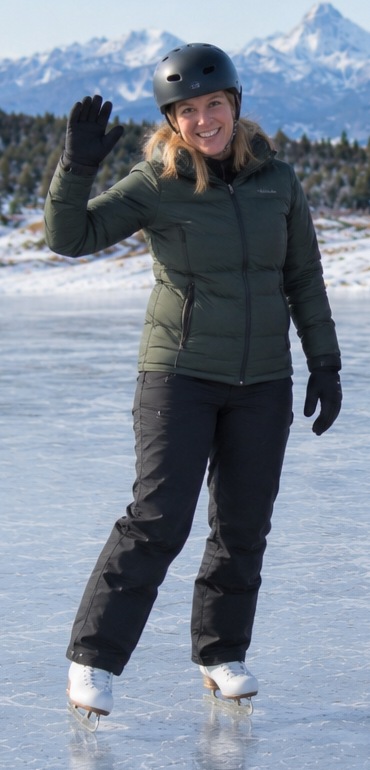
Laura Wilson
Laura brings an encouraging, supportive approach to skating lessons. She helps young skaters build confidence, practise foundational skills and feel more comfortable on the ice at their own pace.
Here's a closer look at the skills your child can work toward as they progress through the program at KickStart Skating.
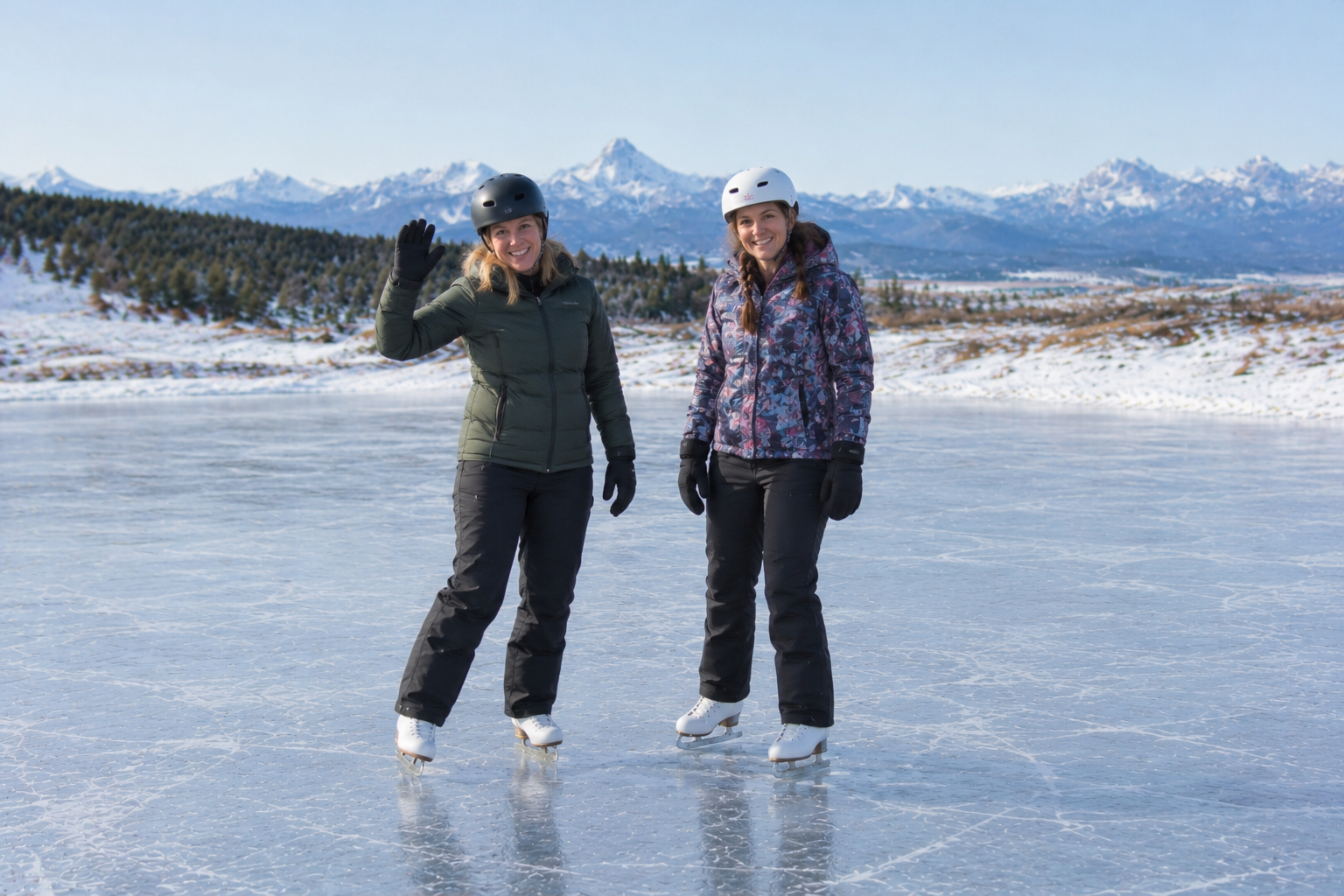
KickStart Skating was created to give local families a welcoming place to learn, practise and build confidence on the ice. Our goal is to make lessons encouraging, active and enjoyable for every beginner.
Laura brings an encouraging, supportive approach to skating lessons. She helps young skaters build confidence, practise foundational skills and feel more comfortable on the ice at their own pace.
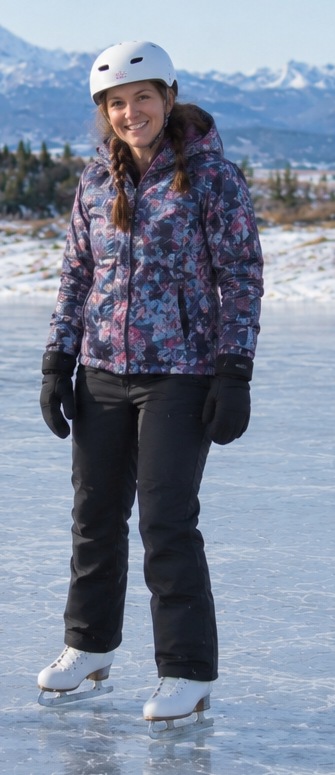
Gemma, who goes by Gigi, aims to make learning to skate positive and welcoming. She encourages skaters to try new movements, keep practising and celebrate progress as their skills develop.
Getting to know the program
CanSkate is Skate Canada's flagship learn-to-skate program. Its fundamental skills help prepare children for figure skating, hockey, other ice sports and recreational skating.
Balance, control and agility work together. Skaters learn to maintain their balance, manage their movement and respond to changes in direction and speed.
Skills develop gradually, from basic standing and moving on the ice to gliding, stopping, turning and more challenging movements. Every new skill builds on earlier experience.
The learning journey
The following overview introduces the kinds of skills found across the early and later stages of the CanSkate pathway.
Getting comfortable and learning the foundations.
Developing movement, coordination and control.
Refining technique and expanding the skill set.
These are examples of skill progression, not a promise that every skater will complete every skill within a set number of lessons. Progress depends on practice, experience and individual readiness.
Skill area 01
Learning to feel steady, glide with control and maintain a balanced skating position.
Skill area 02
Learning to manage movement and direction, develop backward skating and become more confident with stops.
Skill area 03
Developing coordination, turning ability and the confidence to move through different skating patterns.
Learning on the ice
Children learn through movement, repetition and encouragement. The goal is to make practice engaging while giving skaters the opportunity to work on the fundamentals they need.
KickStart Skating's approach uses structured activities and coaching to help participants build confidence and keep developing their skating skills.
Activities help children practise and repeat key movements.
Visual aids and equipment help make skills easier to understand.
Music and targeted activities help make sessions engaging.
Children are supported as they practise skills and try new challenges.
A note for families
Learning to skate takes time. The important thing is developing strong fundamentals and feeling more comfortable on the ice.
Some skills take longer to master than others. Children may revisit earlier movements as they gain strength, coordination and confidence. The stage summaries on this page are intended to help families understand the program, not to guarantee a particular outcome or timeline.
Program information is a general overview based on the CanSkate skills chart. Skate Canada's current element descriptions and requirements should be consulted for official skill terminology and assessment standards.
Ready to get started?
Have questions about the program, registration or what your child needs for their first lesson? Get in touch with KickStart Skating.