A little preparation helps children feel comfortable, warm and ready
to learn. Here is a straightforward guide to choosing equipment and
knowing what to expect at KickStart Skating.
★Comfortable equipment. Safe skating. Lots of encouragement.
Choosing equipment
What works best on the ice?
Use these quick comparisons when preparing your skater. Equipment
should fit properly, feel comfortable and allow safe movement.
1. A properly approved helmet
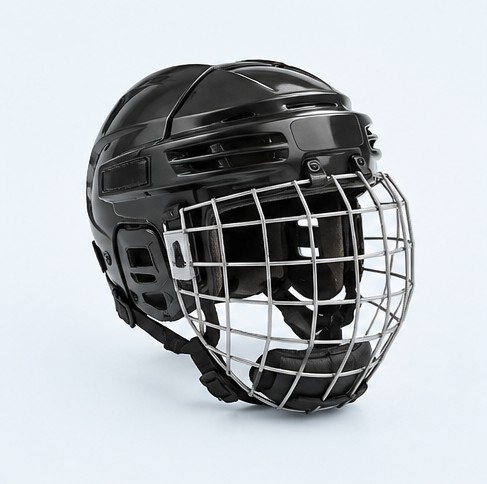
Choose a hockey helmet that fits securely and carries the required CSA certification.
✓ YES
CSA-approved hockey helmet, correctly fitted and fastened.
✕ NO
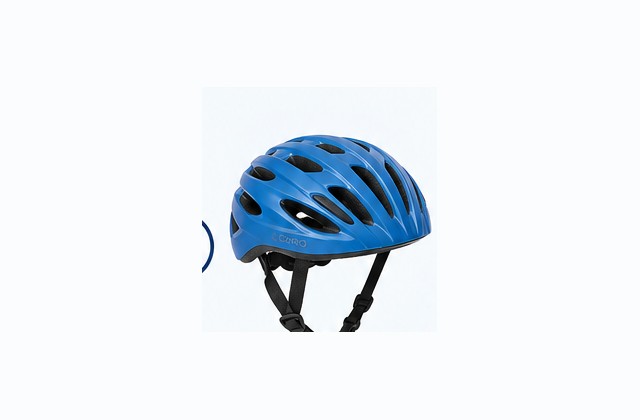
Bicycle or skateboard helmet instead of the required hockey helmet.
Important: CanSkate participants through and including
Stage 5 must wear a CSA-approved hockey helmet while on the ice.
Check the fit and fasten the chin strap.
2. Skates that fit properly
A supportive fit helps children balance and practise their skating skills.
✓ YES
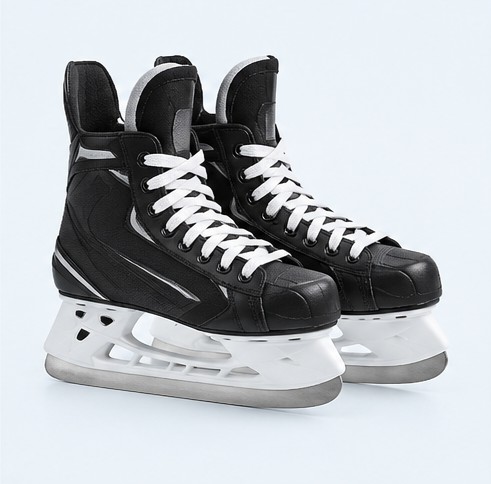
Supportive hockey or figure skates that fit snugly and comfortably.
✕ AVOID
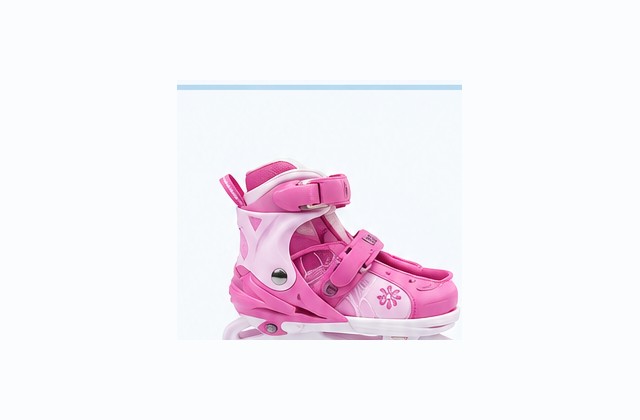
Loose, poorly fitting or bulky adjustable skates that do not support the foot well.
Fit tip: Skates should feel secure around the foot and
ankle without causing pain or cutting off circulation. Ask for help
if you're unsure about the fit.
3. Warm, water-resistant mittens
Mittens help keep little hands warm and protected during practice.
✓ YES
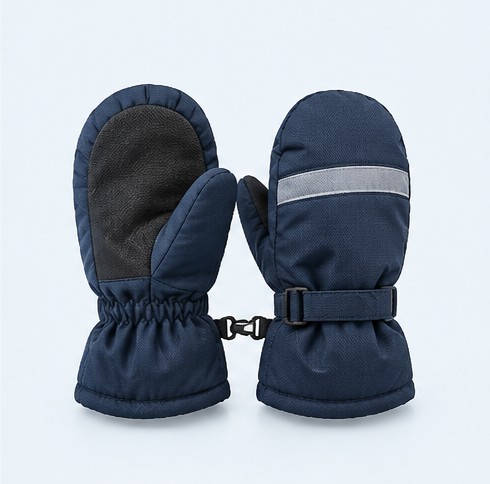
Warm, water-resistant or coated mittens that help keep hands dry.
✕ AVOID
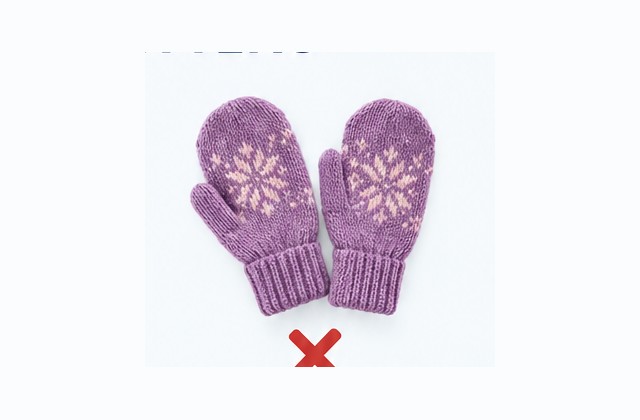
Thin, absorbent fabric mittens that quickly become wet and cold.
Best choice: Water-resistant mittens are generally
more practical than absorbent fabric gloves. Bring a spare pair if
your child tends to get wet.
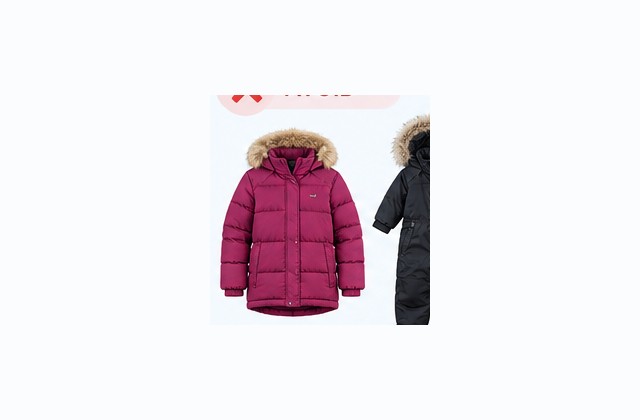
4. Comfortable layers
Choose clothes that keep children warm without restricting movement.
✓ YES
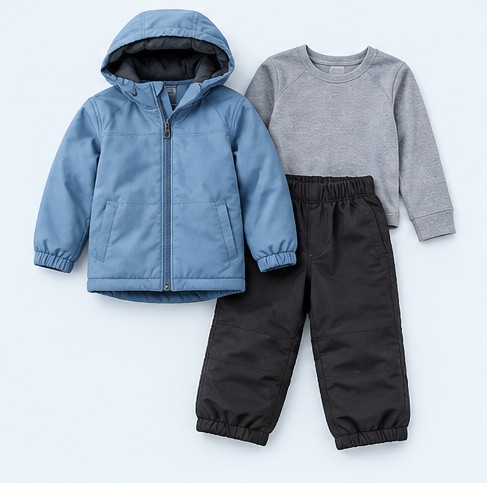
Flexible layers, warm pants and splash pants for extra protection.
✕ AVOID
Very bulky clothing that makes bending, balancing or moving difficult.
Think layers: Children should be warm but still able
to bend their knees, move their arms and get up from the ice.
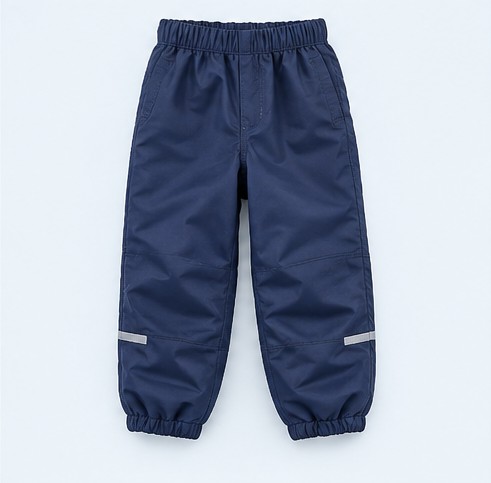
5. Pants that can handle the ice
Beginners often sit, kneel and get back up many times during a lesson.
✓ YES
Splash pants or water-resistant snow pants over comfortable layers.
✕ LESS IDEAL
Ordinary absorbent pants that can become damp and uncomfortable.
Helpful extra: Pack dry clothes for after the lesson,
especially for younger skaters who are still learning to get up.
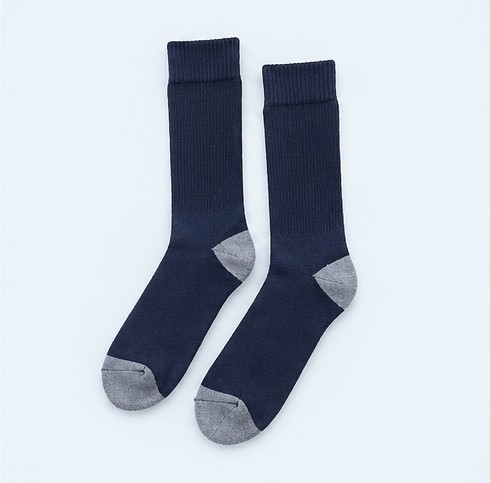
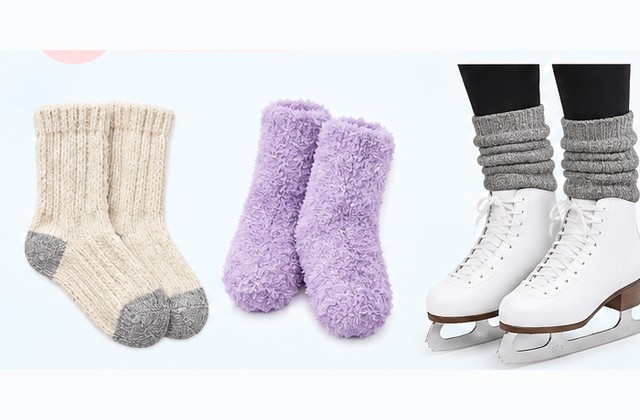
6. Keep socks simple
The right socks can make skates feel more comfortable.
✓ YES
One comfortable, well-fitting pair of socks.
✕ AVOID
Multiple thick pairs that crowd the skate and create pressure points.
Comfort tip: Socks should be smooth, dry and not so
thick that they make skates tight.
!
A note about helmet requirements
Skate Canada's CanSkate requirements specify a CSA-approved hockey
helmet for participants through and including Stage 5. The rule is
based on the skater's stage, not simply their age. Please check that
your helmet is certified, fits securely and has a fastened chin strap.
Before you leave home
Your skating-day checklist
Use this quick list to make getting ready easier.
✓
HelmetCSA-approved hockey helmet, correctly fitted.
✓
SkatesComfortable, supportive and properly fitted.
✓
MittensWarm and preferably water-resistant.
✓
Warm layersClothing that allows free movement.
✓
Splash pantsHelpful protection for beginners.
✓
Spare clothesA dry change of clothes for afterward.
✓
Water bottleBring water for breaks.
✓
Gear bagKeep personal items together.
Sharing the ice
Simple rules for a safe, fun lesson
We want every skater to feel welcome, learn at their own pace and
respect the people sharing the ice.
✓ Do
✓Listen to the coach and follow instructions.
✓Stay with your group and in the assigned practice area.
✓Leave enough space between yourself and other skaters.
✓Wait your turn for activities and demonstrations.
✓Encourage others and treat everyone kindly.
✓Ask for help if you feel unsure or need a break.
✓Follow the coach's guidance when getting up after a fall.
✓Tell the coach if you need to leave the ice.
✕ Don't
✕Push, pull, grab or deliberately collide with another skater.
✕Race through another group's practice area.
✕Skate away from the group without telling the coach.
✕Bully, tease or deliberately exclude other skaters.
✕Throw objects or play rough on the ice.
✕Touch or move another person's equipment without permission.
✕Ignore safety instructions or skate in a restricted area.
✕Continue an activity if the coach asks the group to stop.
A note for parents and caregivers: Beginners learn at
different speeds. Encourage your child to listen, try their best and
be patient with themselves and others. A little nervousness is normal,
and confidence builds with practice.